

Creating a sound archive, why?
Tales of collecting and cataloguing sounds in the field and beyond

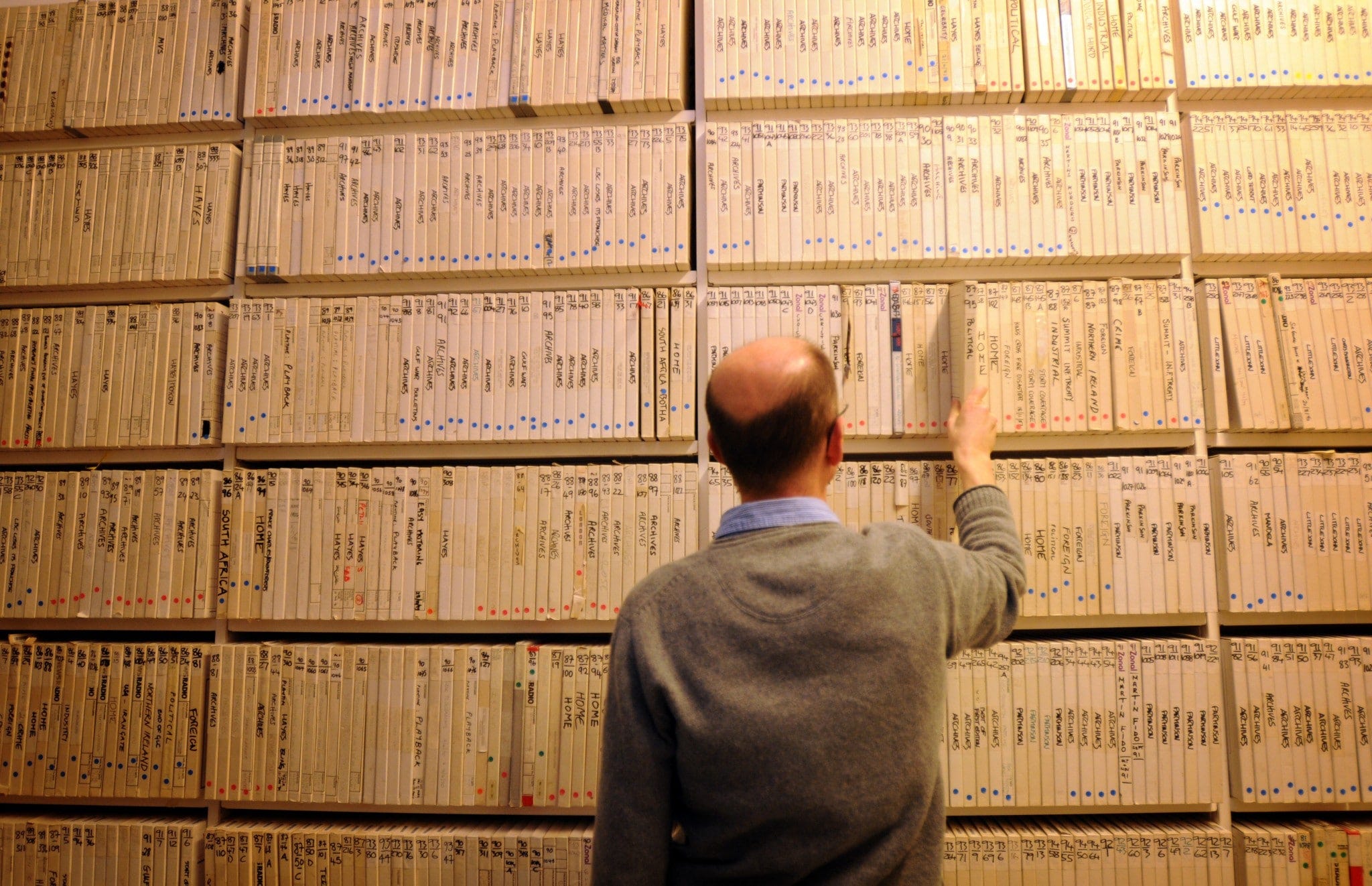
There is an important aspect of documentary and preservation around field recording, capturing for posterity the sounds of our world as those sounds are in danger of disappearing forever.
Field recording can also capture vital snapshots of the present – in fact, just as a photograph is about freezing a particular image, a recording is about preserving fragments of time and tiny pieces of history every time we press the “record” button.
Field recording. What exactly does it mean…?
I supposed for a long time, that it referred to the practice of recording sound outside of a purpose built studio environment. Which it essentially it was in its’ very beginnings…
With the invention of the Edison cylinder in the late 1880s, researchers, explorers and academics were equipped with a tool that could capture sound in the outside world — a revolutionary method for immortalising the voices, songs and performances that previously had been confined to being documented by the literary and photographic fields.
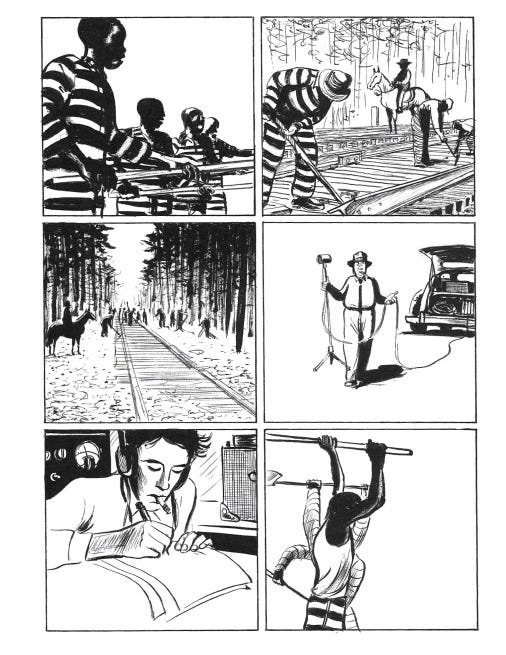
Legendary song collector and perhaps lesser known father of field recording practice John Lomax was a pioneer in phonography. A devout musicologist, folklorist and sound recordist, whom by the 1930s, aided by the advancements in recording technology, and with the support of his son Alan Lomax, and commissioned by the Library of Congress and the American Folklore Society — packed a portable recorder into the boot of their car and set out into the field across North America to capture and document the sounds, folklore and stories of the past to present as a gift to the future.
With a remarkable eye for character and composition, the Lomaxes were able to gather a vast library of folksongs, stories, jokes, sermons, personal narratives, interviews and unique ambient artefacts captured in transit from radio broadcasts, sometimes inadvertently, when Alan left the tape machine running.
These recordings — painstakingly documented with incredible devotion by Alan Lomax during his lifetime — can be explored online via the Lomax Digital Archive.
Searching for the unordinary in the ordinary, the weird and the off kilt, the warmth and wonder hidden behind the everyday — it is the imperfections, these realities that reveal so much upon listening back…
“If men would steadily observe realities only, and not allow themselves to be deluded, life, to compare it with such things as we know, would be like a fairy tale”
Henry David Thoreau
I began building my own personal archive in 2019, after having purchased my first fully professional kit — a Sound Devices recorder and pair of Oktava MK-012 microphones.
I was set to embark on my first professional field trip to Japan. A 3-month road trip that would take my from the northern island of Hokkaido right down to Nagasaki on the coast of Southern Kyushu island.
I was tasked with building a library of field recordings exploring the relationship between music, environment and spirituality in Japanese culture for The British Library Sound Archive.
I had only been working at the library a little while. What started out as a passionate part-time volunteering position helping to catalogue sounds from the archive as they made their way from fading physical object into the eternal digital realm as part of the Save our Sounds initiative, grew into a perspective altering experience that redefined how I interacted, understood and really listened to sounds — not just musical, but environmental too.
The people I met here, and had the pleasure of working with, inspired me deeply. That so much care, attention and thought could be placed on these relics from the past was a source of great learning for me.
“Listening back to the past, we communicate with it — it’s a channel we can open and explore.”
At a time when I was a little overwhelmed with my own artistic direction, and underwhelmed by the direction that music making was taking me, this haven became a home.
One of the first collections I had the pleasure of working on was Peter Kennedy’s folk collections of the 1960’s. A sprawling collection of reel-to-reel recordings from his travels around the British Isles recording the songs, musicians and clubs of Great Britain’s bustling folk scene.
I would spend hours listening to those recordings — from smoke-filled pubs to creaky cottages, each recording had it’s own signature sound associated with it’s own space and time.
It is this that I find the most captivating aspect of archiving sounds. Field recording as a practice influences many disciplines, it serves as a powerful cataloguer of time, of culture, of people. Listening back to the past, we communicate with it — it’s a channel we can open and explore. We can place ourselves in a space that no longer exists, if only for a moment, to feel connected again.
I recently spoke with Ben McElroy — a Nottingham based artist and Sonic Tapestries subscriber — about his approach to field recording, and how documenting the sounds surrounding him have influenced his creative practice.
Hi Ben. It’s a pleasure to welcome you to Sonic Tapestries. Can you tell us a little about your work as an artist - what inspires you and what brought you to express your work specifically through sound?
Thanks! Music has had a huge impact on my life, especially when growing up, and got me through a lot of tough times. I ‘experimented’ with music, playing very basic guitar and manipulating with a Tascam 4 track.
I like other art forms but it was sound & music that spoke to me the most. I sometimes think of it like creating a world/space… I think sound can really help you immerse in a space (or perhaps more correctly a time)… and I find it comforting to organise sounds, to create a bit of order, whilst also letting parts run free). I’m fairly recently diagnosed as autistic and so yeah, having an element of life I can retreat to and create that is malleable in some way is really comforting.
Your current project - The Allotment Tapes - a series of releases that feature field recordings and conversations from St. Anns Allotment in Nottingham. Can you tell us about how this project came together/your inspirations for the project?
I’ve been making more traditional albums for a number of years and I wanted to try and present something slightly differently.
I came to these allotments, and St Anns in particular, via a rather wavy process… I think I wanted to do something connected to land use/nature as these are subjects that are important to me. What I love about allotments is the real DIY, non- conformist vibe that purveys them. Aesthetically, I think they’re lovely, all higgledy-piggledy, sheds made from old doors, nature re-claiming an old watering can. I think there’s something really positive and nourishing about this. It also comes across when talking to plot holders, some really lovely ‘plot-philosophy.’
So, originally I was thinking allotments in general, but then I spent a bit more time at St Anns and realised what an amazing space it is. Firstly, it’s huge and a bit mysterious — a lot of the plots are separated by high hedges, some of the alleys are like little warrens. It’s got a great and varied history as well (from Victorian leisure gardens to vital food supplies, a period of decay and crime and the regeneration of the last 30 years). It’s very much an inner city green space and there are a number of initiatives enabling access to the site and its nature and the opportunity to grow your own food for the local community.
Your work pulls inspiration from natural soundscapes & familiar environments close to you. What is your approach to field recording? Do you seek particular sounds out or do you record first then pick out what interests your ears when listening back in the studio?
Very much the latter.. apart from the recent allotment interviews, I’ve never really set out to record something in particular, I just take my little recorder out and see what’s wha!. Initially I started using field recordings as I felt some tracks just needed a bit more life in them!
Do you use a lot of digital processing when working with sound or do you prefer to keep things natural and organic?
I don’t really have one or the other.. it depends on what’s needed. I don’t have any purist ideas and will have bits of processing on every track. I guess I’d mostly try and keep instruments sounding fairly natural (unless I feel they need a load of delay and filters). I do like using a fair bit of creative tape effects (lets be honest, cheaper and quicker than the real thing!)
Do you have a particular non-musical practice that helps to put you into the creative mindset for composing or field recording?
Not really, but if I was more organised I probably should. One of the things I’m looking at doing more of down the site is looking into the Deep Listening practices of Pauline Oliveros. I do find the act of recording sounds quite mediative in itself, forces you to quieten down the background chatter and really listen in.
Do you have any other upcoming projects or collaborations you are working on, things to expect coming up soon? How can folks find you and stay in touch?
Yes, I have an upcoming album with sound artist Ben link Collins and you can follow me on most of the usual channels.
To keep up with the allotment tapes, best bet is benmcelroy.bandcamp.com
I also have a website at www.benmcelroy.co.uk
Here’s a wonderful track of Ben’s — Wrens In The Wall — recorded on location in a disused old quarry building just off Stanton moor in the Derbyshire Peak District.
Other Archives
Part of building an archive depends heavily on the influence and input of others.
Here are just a few names, projects and fellow Substacks that I have found to be a great source of inspiration along the way :
Cities and Memory - remixing the world, one sound at a time by Stuart Fowkes
Music, nature & field recording with Alice Boyd by Alice Boyd
Your kind support helps me to grow my audience and continue on my creative path.
If you do like reading along and want to help support my work further, please consider sharing this post with your friends, family and followers.
Thank you for being here with me.
Mat
🌻
Really interesting Mat. I'm currently pulling together an archive of my family recordings...earliest is myself and my brother from around 1962 to speaking to my mother in 2022 before she passed away. I need to put them somewhere so that the family can access them in the future. Thanks for posting. 👍